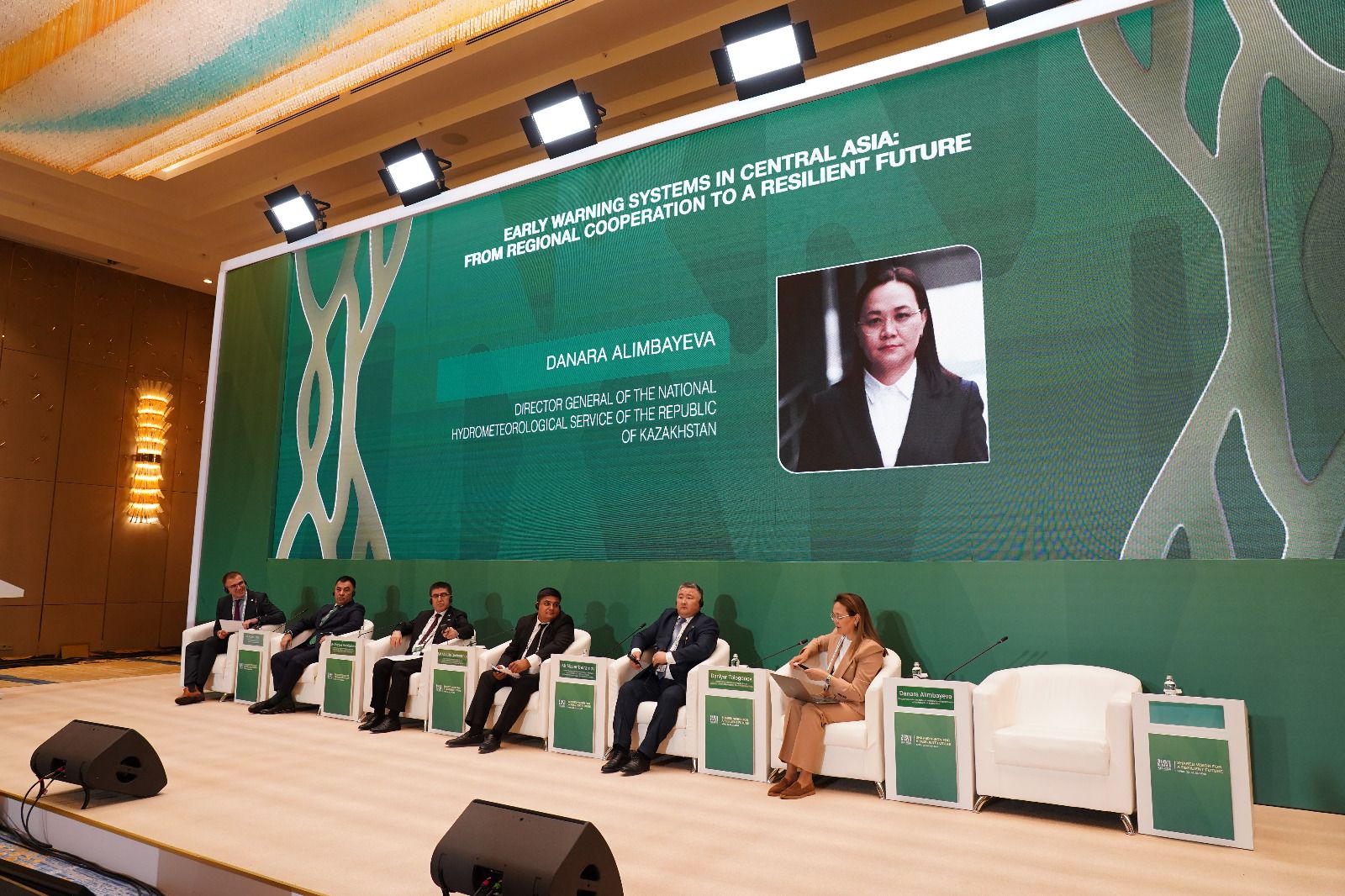
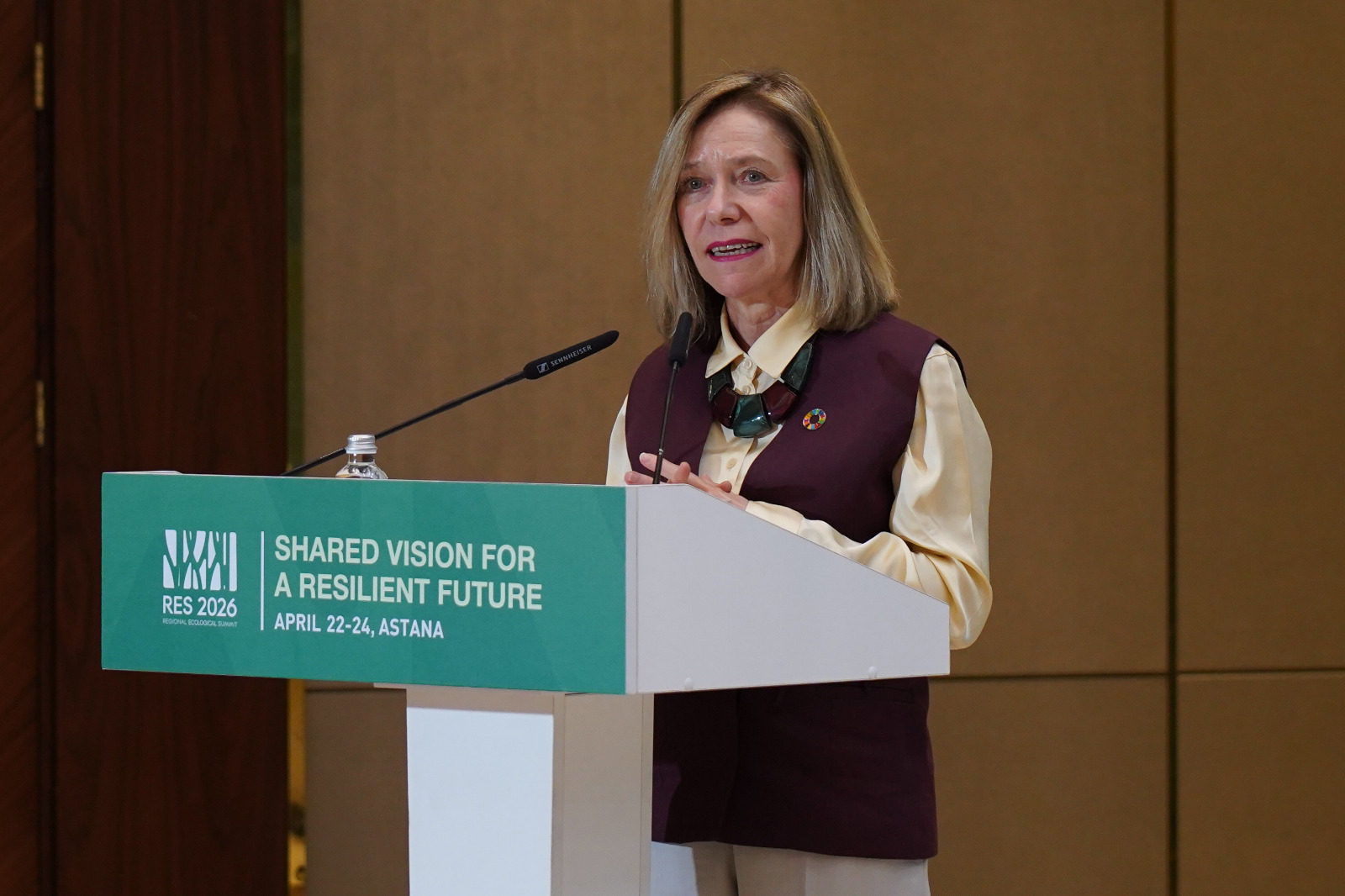
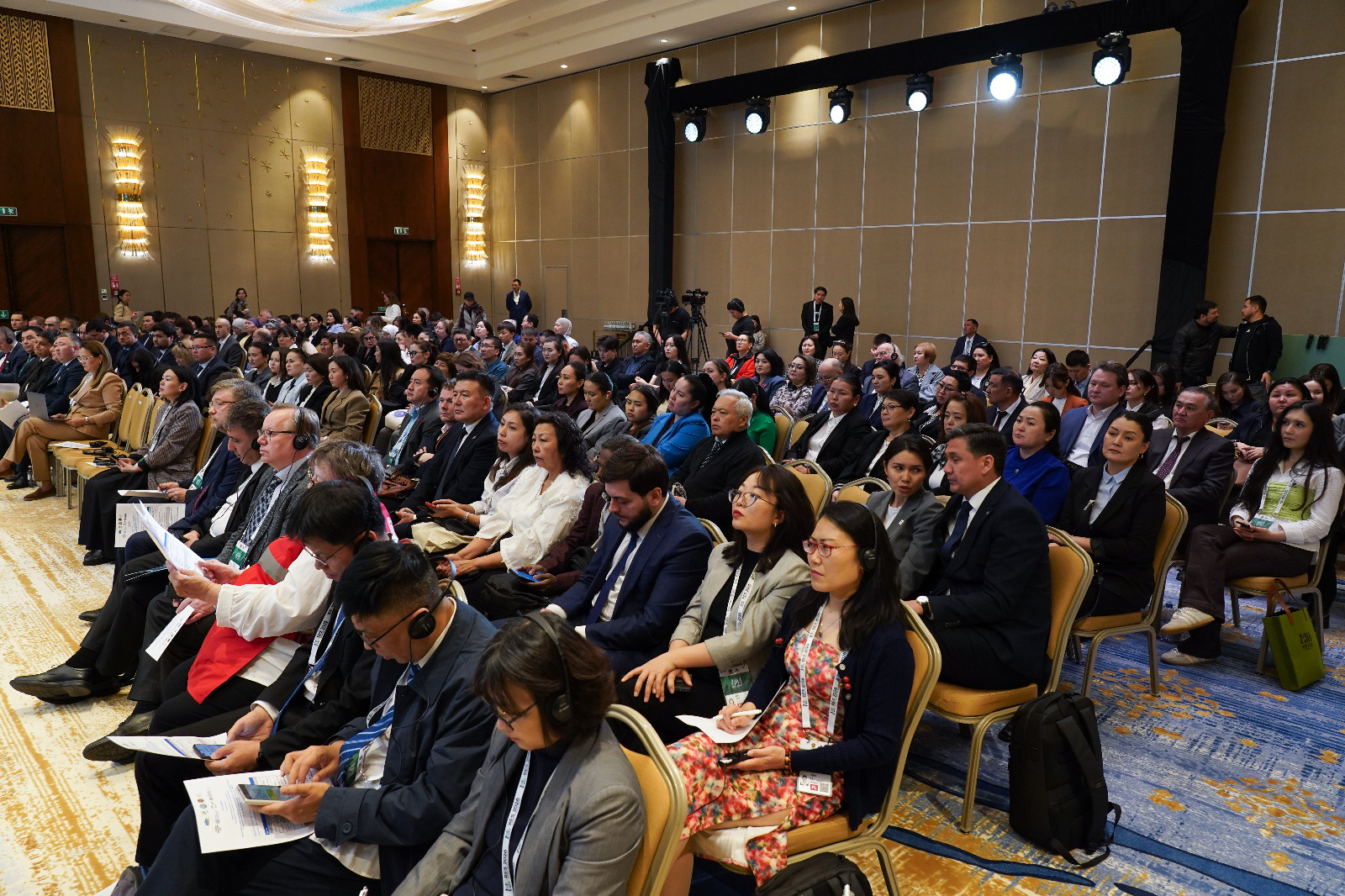
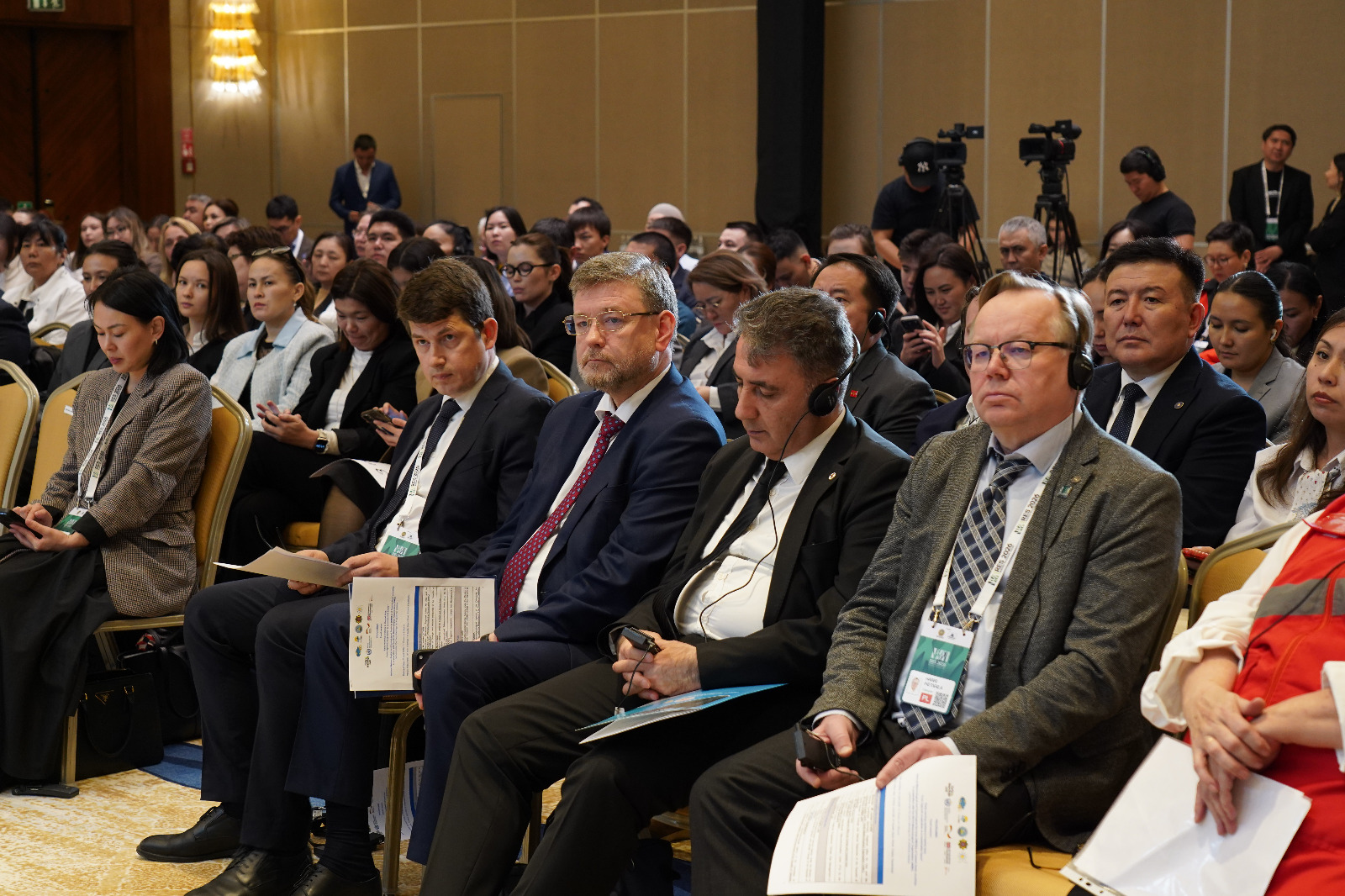
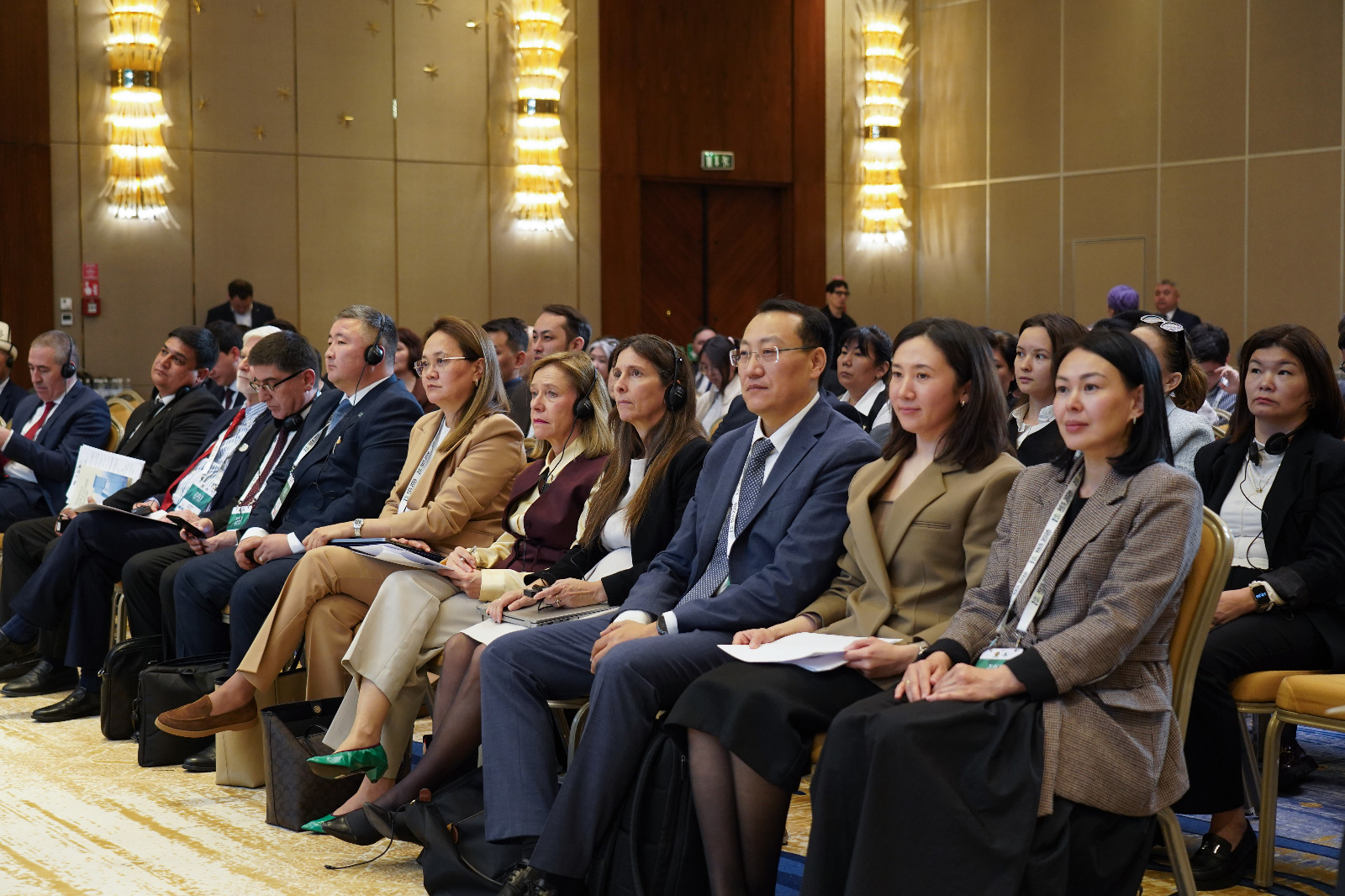
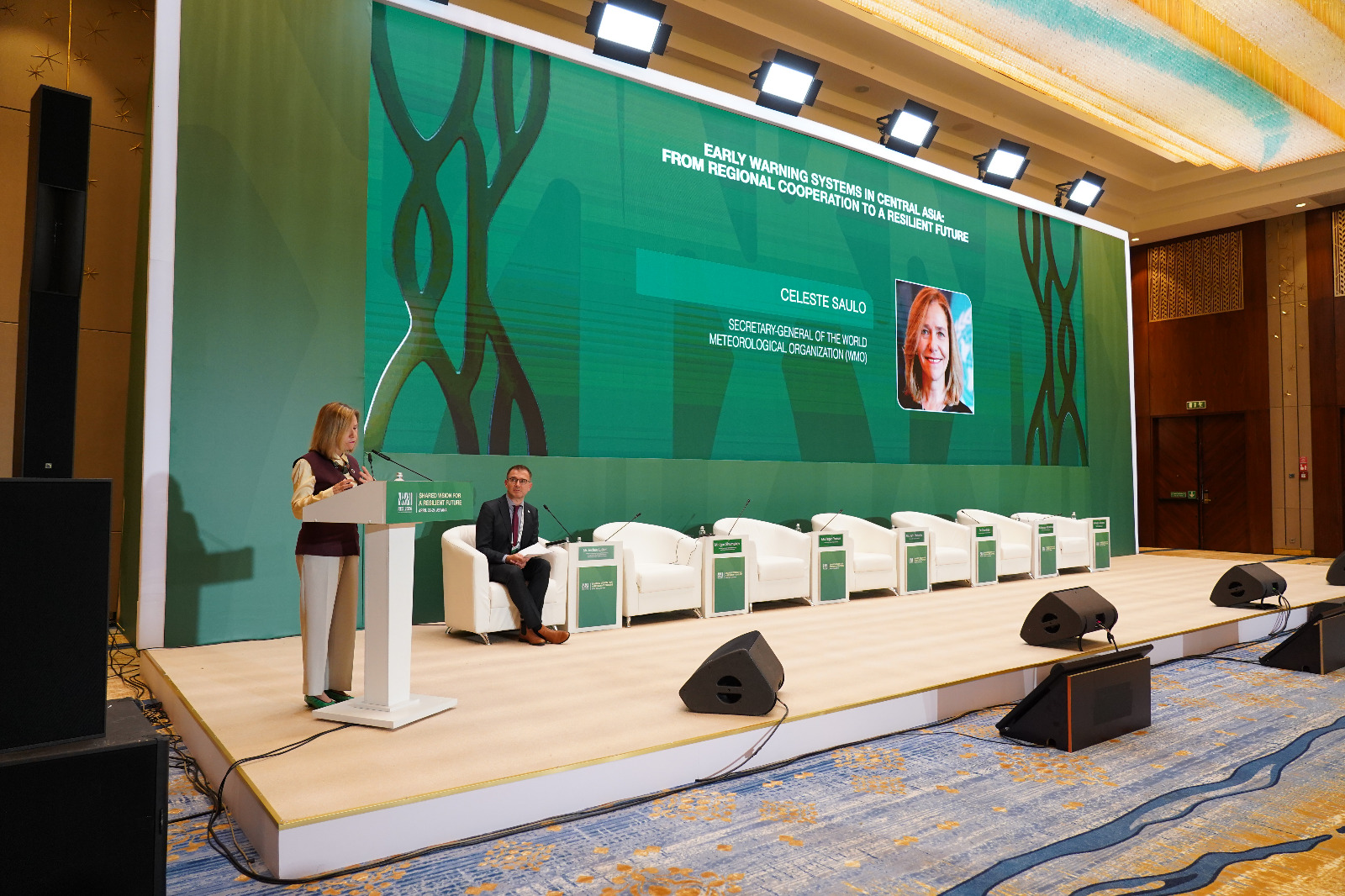
Within the framework of the Regional Environmental Summit, RSE Kazhydromet, together with the World Meteorological Organization and the national hydrometeorological services of Central Asian countries, organized a panel session on the topic:
"Early warning system in Central Asia: from regional cooperation to a sustainable future".
The session was devoted to the development and strengthening of early warning systems for climate and hydrometeorological risks, as well as strengthening cooperation between the hydrometeorological services of the countries of the region.
Today, Central Asia is increasingly facing the consequences of climate change — droughts, floods, rising temperatures and unstable precipitation patterns. In these circumstances, it is especially important that countries act in a coordinated manner and promptly exchange information in order to respond to dangerous phenomena in a timely manner.
During the session, special attention was paid to the UN Early Warnings for All (EW4All) initiative, which aims to ensure the availability of early warning systems for everyone.
The participants discussed the key elements of the EW4All initiative:
- risk assessment and understanding;
- monitoring, surveillance and forecasting;
- timely dissemination of warnings;
-Emergency preparedness and response.
It was emphasized that it is the national hydrometeorological services that play a key role in this system — they conduct observations, make forecasts, issue warnings and interact with response services.
The main purpose of the session is to develop common approaches and regional priorities for the development of an early warning system in Central Asia, as well as to strengthen cooperation and data exchange between countries.
During the discussion, the issues of the role of NGMS in reducing climate risks, the best practices of the region, the development of pilot projects, partnership and financing mechanisms, as well as priorities until 2030 were considered.
Separately, the participants discussed the main challenges, from the integration of data and digital solutions to the sustainability of systems after the completion of international projects and the need for long—term support.
Following the session, the parties noted the importance of further strengthening regional cooperation and developing a unified, sustainable early warning system aimed at protecting the population and reducing the effects of climate risks in Central Asia.