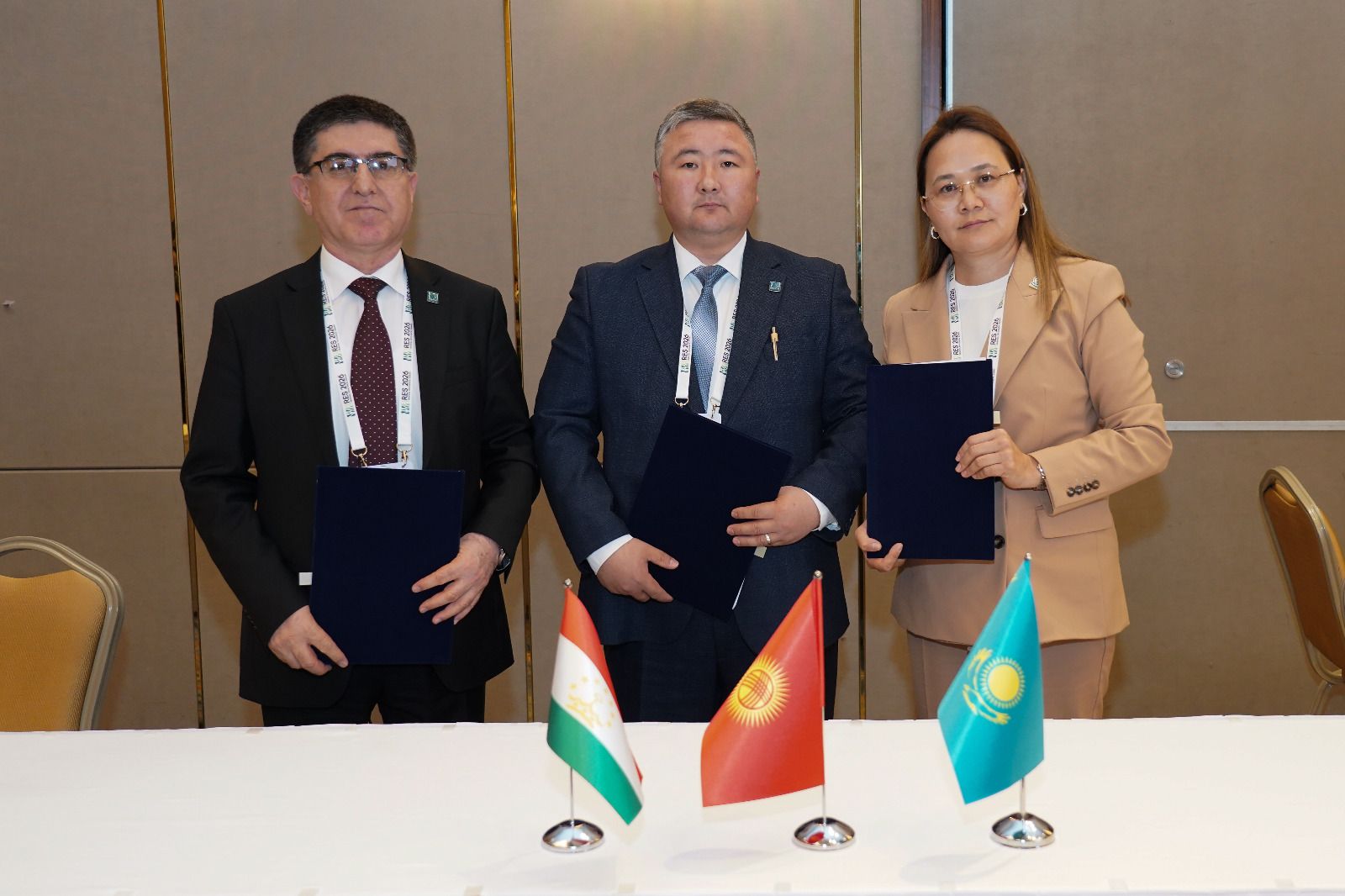
On April 23, 2026, on the sidelines of the Regional Environmental Summit in Astana, the heads of the national Hydrometeorological services of Kazakhstan, Kyrgyzstan, and Tajikistan signed a Regional joint statement on cooperation in the implementation of the Early Warning for All initiative.
The document was an important step in strengthening regional cooperation in the face of increasing climate risks, including droughts, floods and extreme weather events. The parties stressed the need to join forces to increase the resilience of Central Asian countries and develop effective early warning systems.
The statement reinforces the countries' commitment to using the approaches of the World Meteorological Organization in monitoring, forecasting and informing about hydrometeorological threats. Special attention is paid to the regular exchange of data, technologies and best practices between national services.
The parties also outlined key areas of joint work. These include the development of scientific potential and human resources, the modernization of observation networks, the improvement of forecasting methods, the introduction of innovative technologies and the use of artificial intelligence to assess the risks of extreme events.
The importance of cross-border exchange of storm warnings and integration of data into regional early warning mechanisms was highlighted, which will increase the timeliness of response and reduce possible damage from natural threats.
The signed statement confirms the intention of the Central Asian countries to continue close cooperation with the World Meteorological Organization and international partners, as well as jointly develop an early warning system to protect the population, economy and ecosystems of the region.